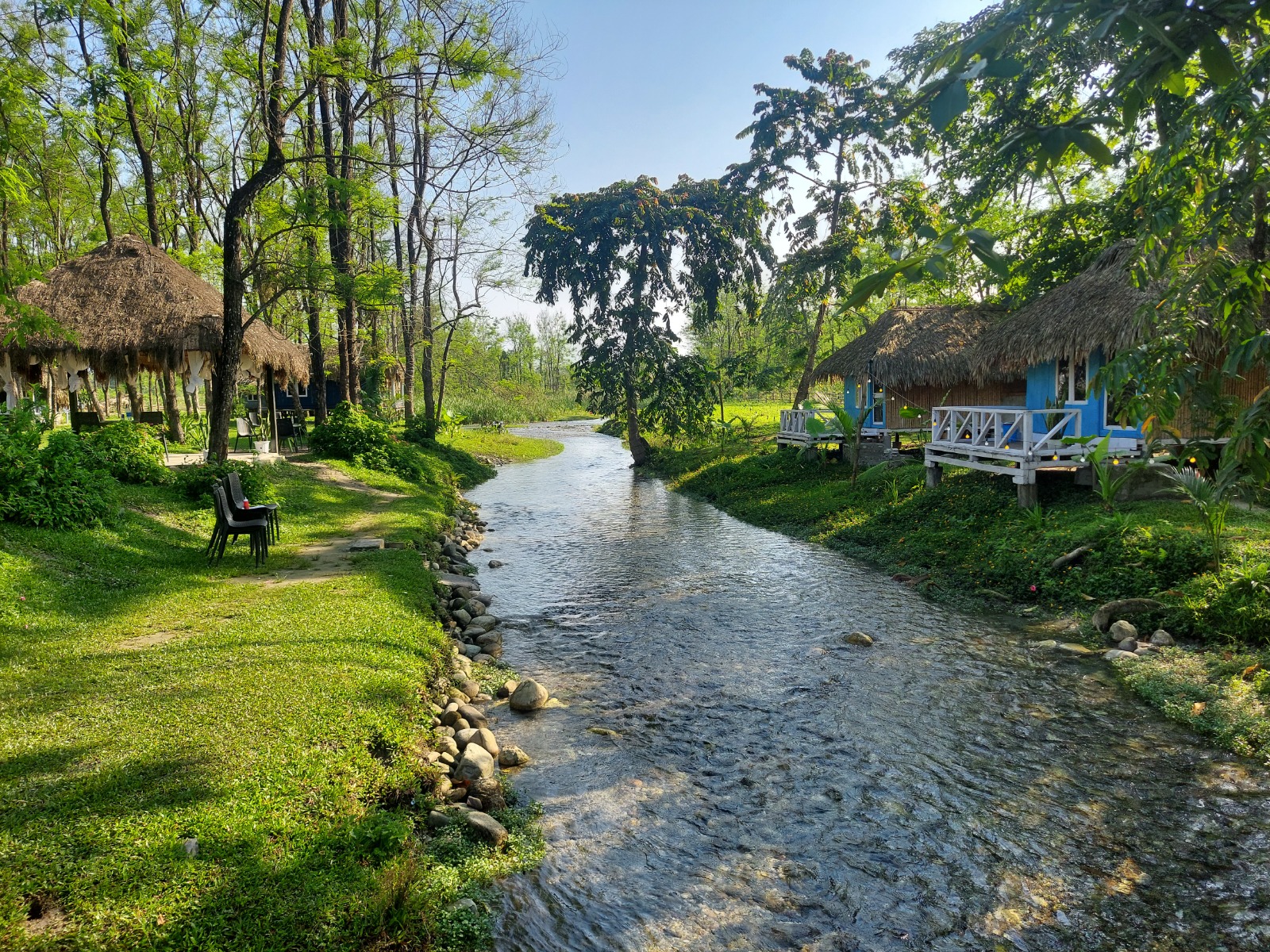
Evaluating Tourism Carrying Capacity in Kodaikanal, Tamil Nadu Across Multiple RCP Climate Change Scenarios – Supported by State Govt. of Tamil Nadu
Partners
This CSR project is being collaboratively executed by Indian Institute of Technology Madras (IITM) and PFRI
Project description
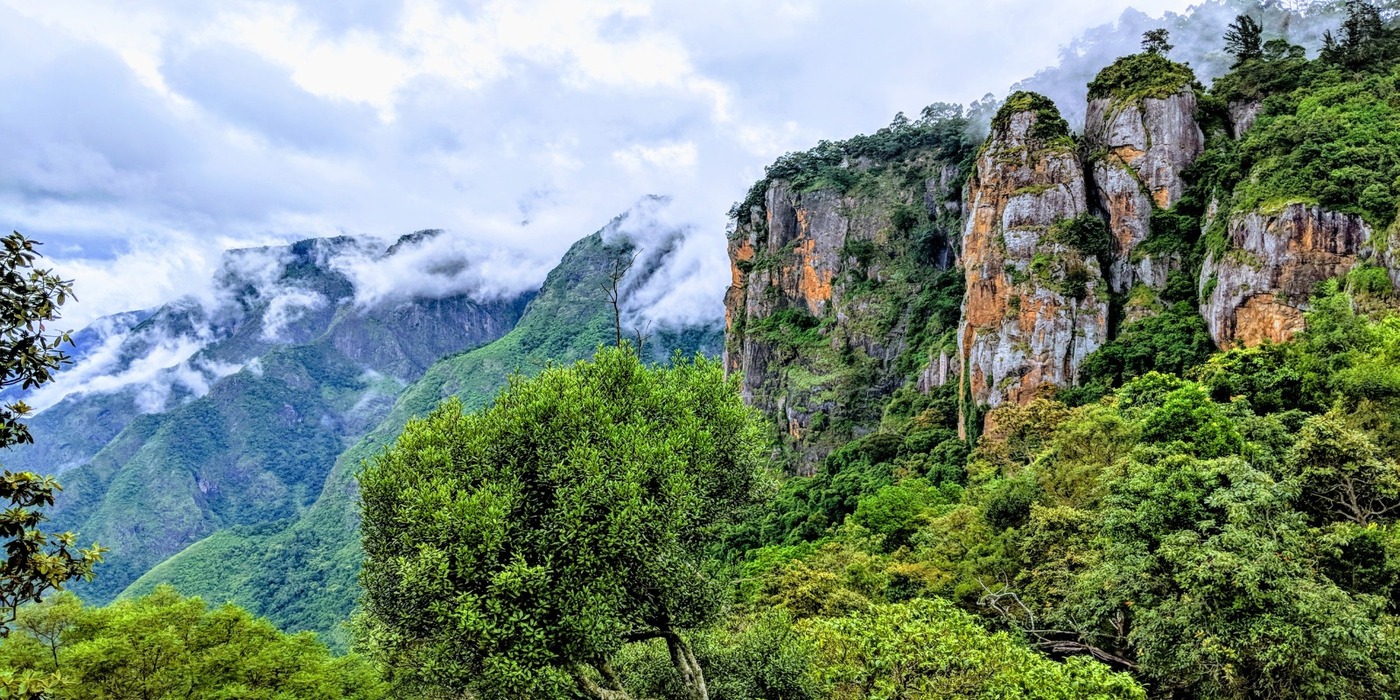
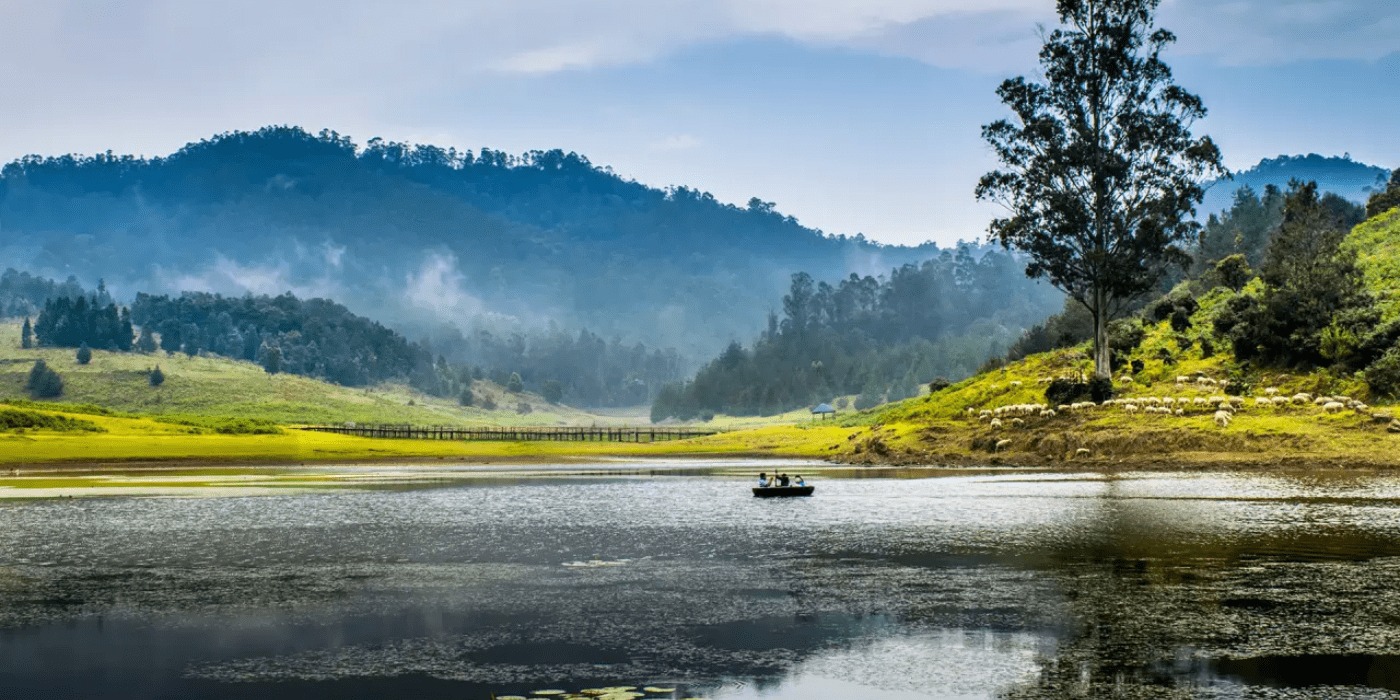
This project aims to assess Kodaikanal’s tourism carrying capacity (TCC) under various climate change scenarios (RCPs), balancing economic benefits with environmental sustainability. By evaluating physical, social, infrastructural, environmental, and economic capacities through methods like ecological footprint models and multi-criteria ranking, the study will identify a sustainable TCC (STCC) that aligns with ecosystem stability and community well-being. The outcome will provide a management framework and policy recommendations to support sustainable tourism practices that preserve Kodaikanal’s natural and cultural resources while promoting resilience in the face of climate change.
Objectives
1. Evaluate ecosystem status by selecting indicators to define the Tourism Carrying Capacity (TCC) for the eco-sensitive area (ESA).
2. Assess Sustainable TCC (STCC) using physical, real, and effective carrying capacities, accounting for spatiotemporal changes.
3. Identify policy-practice gaps and recommend a TCC management framework for long-term sustainability
Expected Outcomes
1. Estimating Kodaikanal’s visitor capacity helps ensure long-term sustainability by protecting its environment, infrastructure, and cultural integrity.
2. Calculating carrying capacity supports the preservation of Kodaikanal’s natural habitats, wildlife, and cultural heritage, reducing the impact of excessive tourism.
3. Understanding visitor limits aids in infrastructure planning and helps maintain a high-quality tourist experience, preventing overcrowding and benefiting the local community through sustainable tourism practices.
Projects
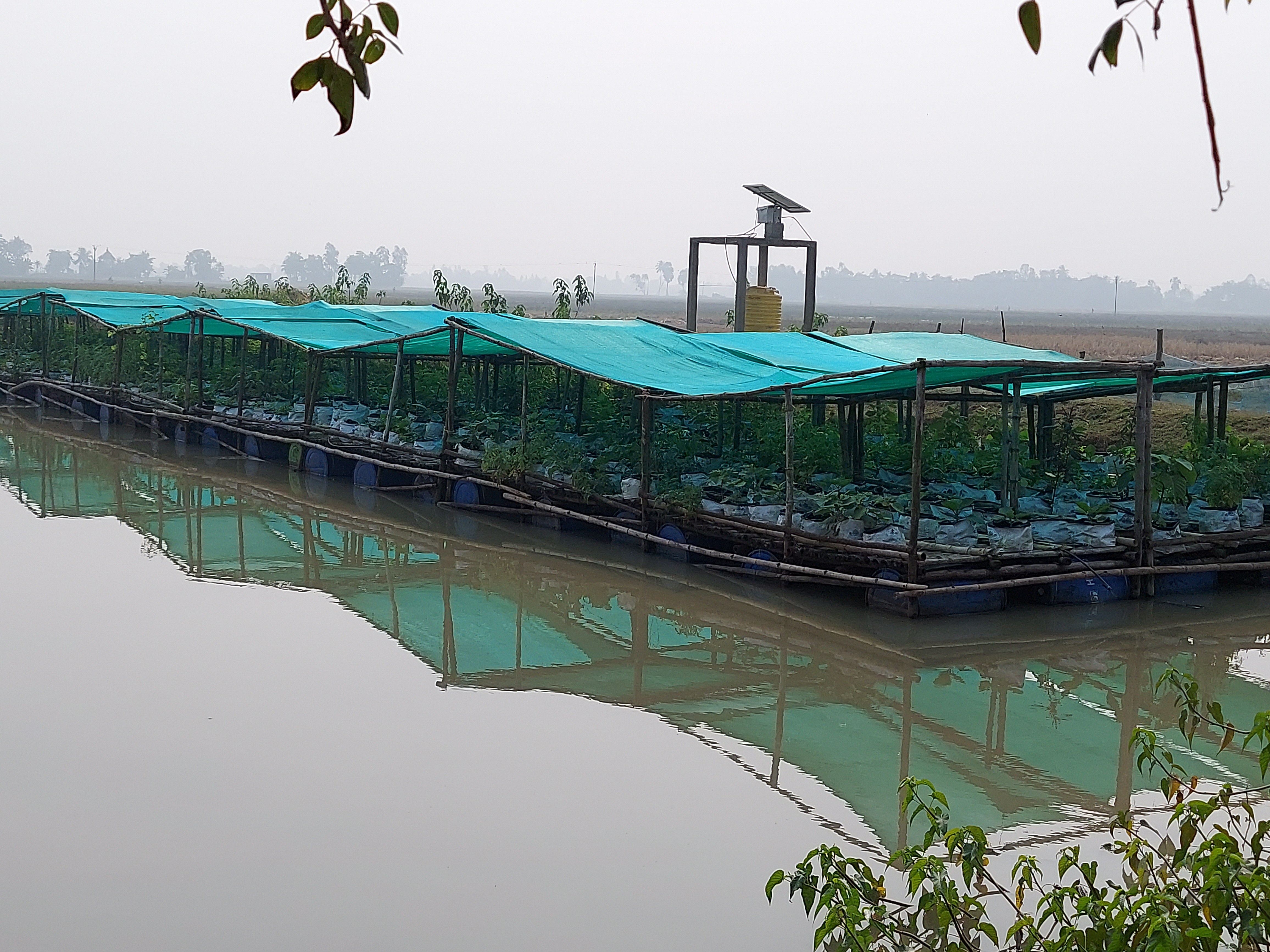
Adaptive Agriculture
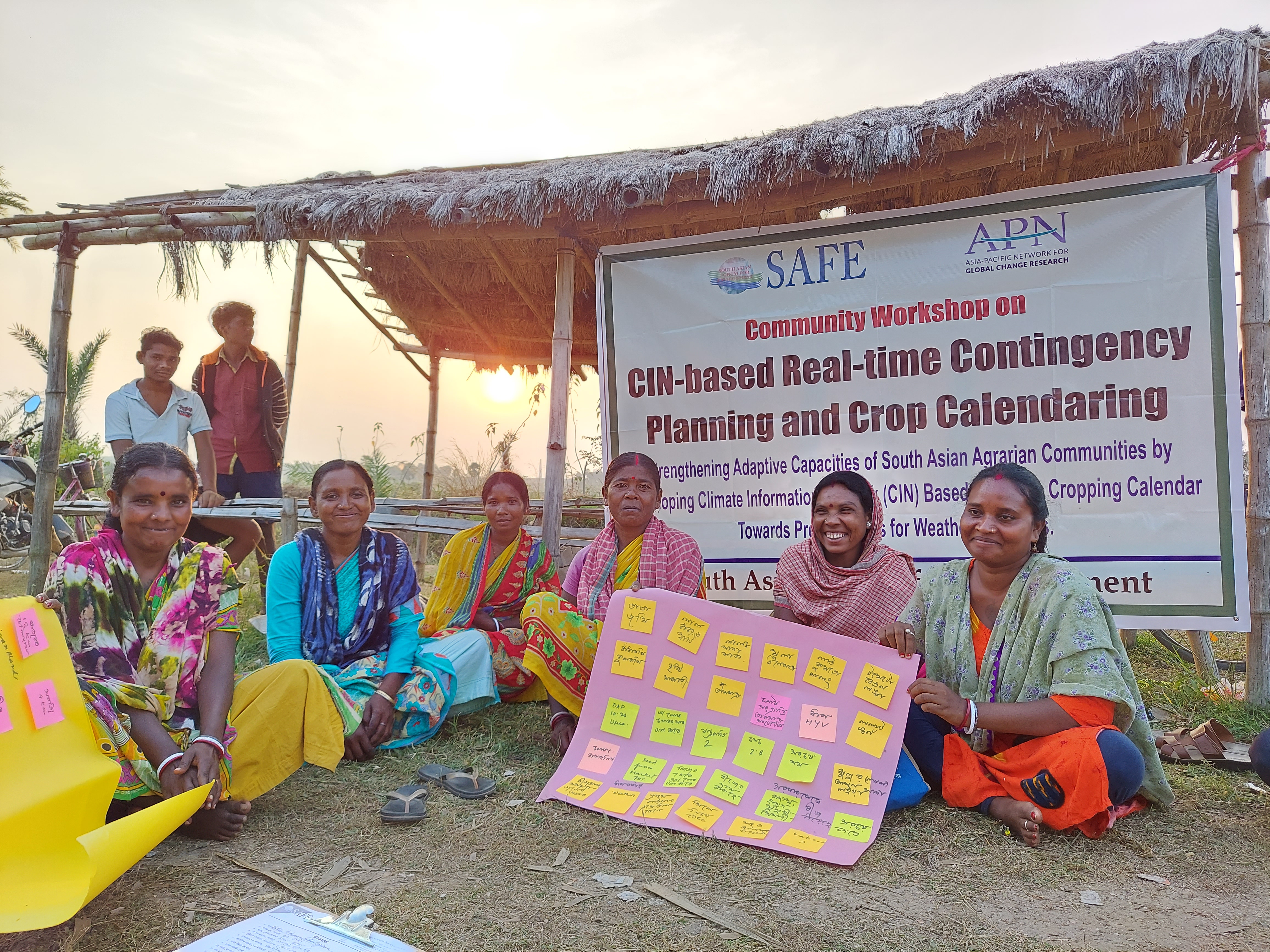
Adaptive Floats for Climate Resilient Organic Agriculture and Aquafarming for Marginal Farmers of South Asia, Living in Poverty Trap – Supported by Adaptation Fund climate Innovation Accelerator, United Nation Development Fund (UNDP)
Ecosystem Pricing
5. Building Capacities Among AP-PLAT Partners in the ‘Science of Pricing Ecosystem Services’ for Enabling Ecosystem-based Adaptation for Sustainable Future – Supported by Asia Pacific Network (APN) Building Capacities Among AP-PLAT Partners in the
Biodievrsity Conservation
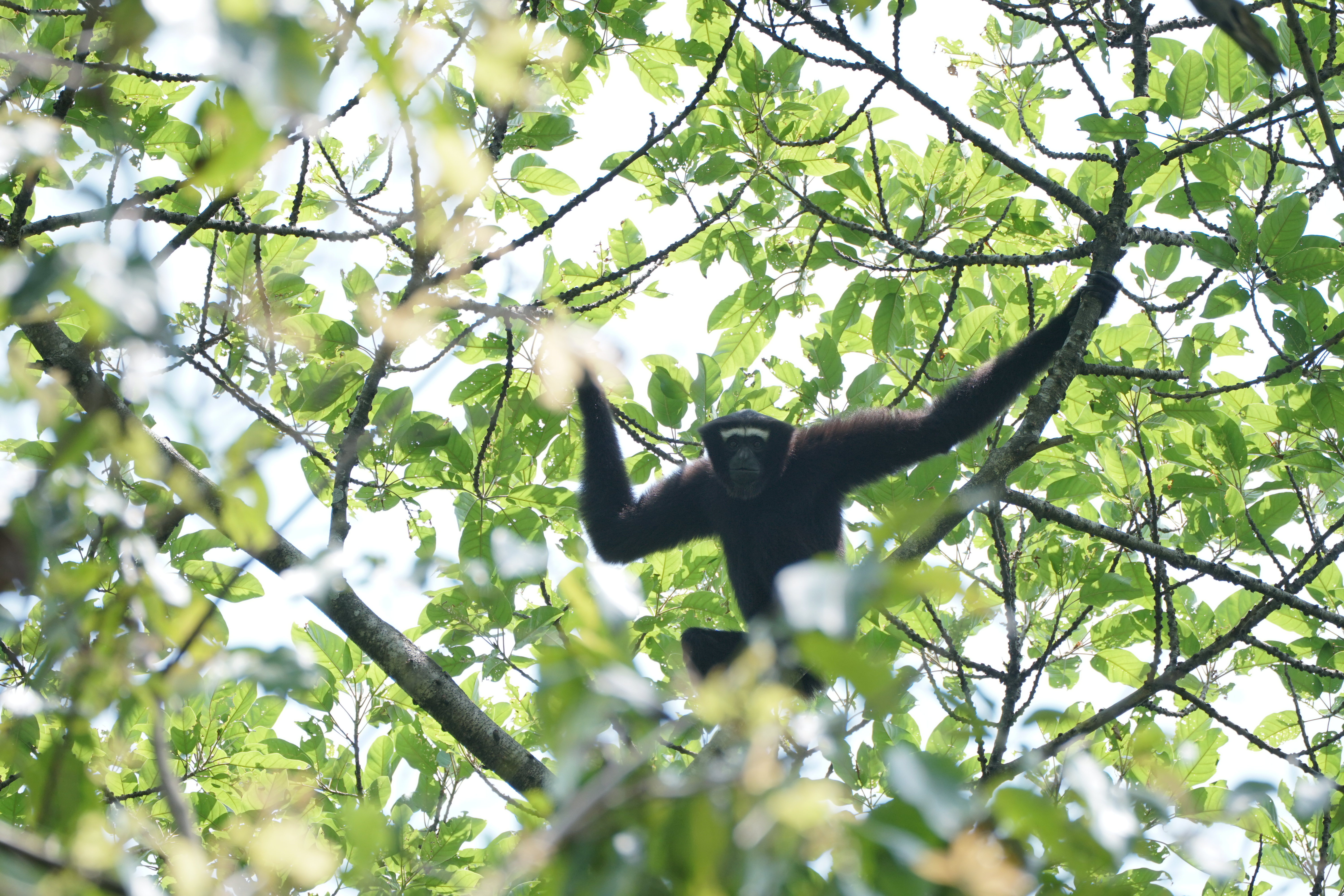
4. Establishment of maintenance of Seed Bank of traditional varieties of crops – Supported by West Bengal Biodiversity Board Community Conservation of Western Hoolock Gibbon (Hoolock hoolock) in fragmented forest patches
Indegenous Crops
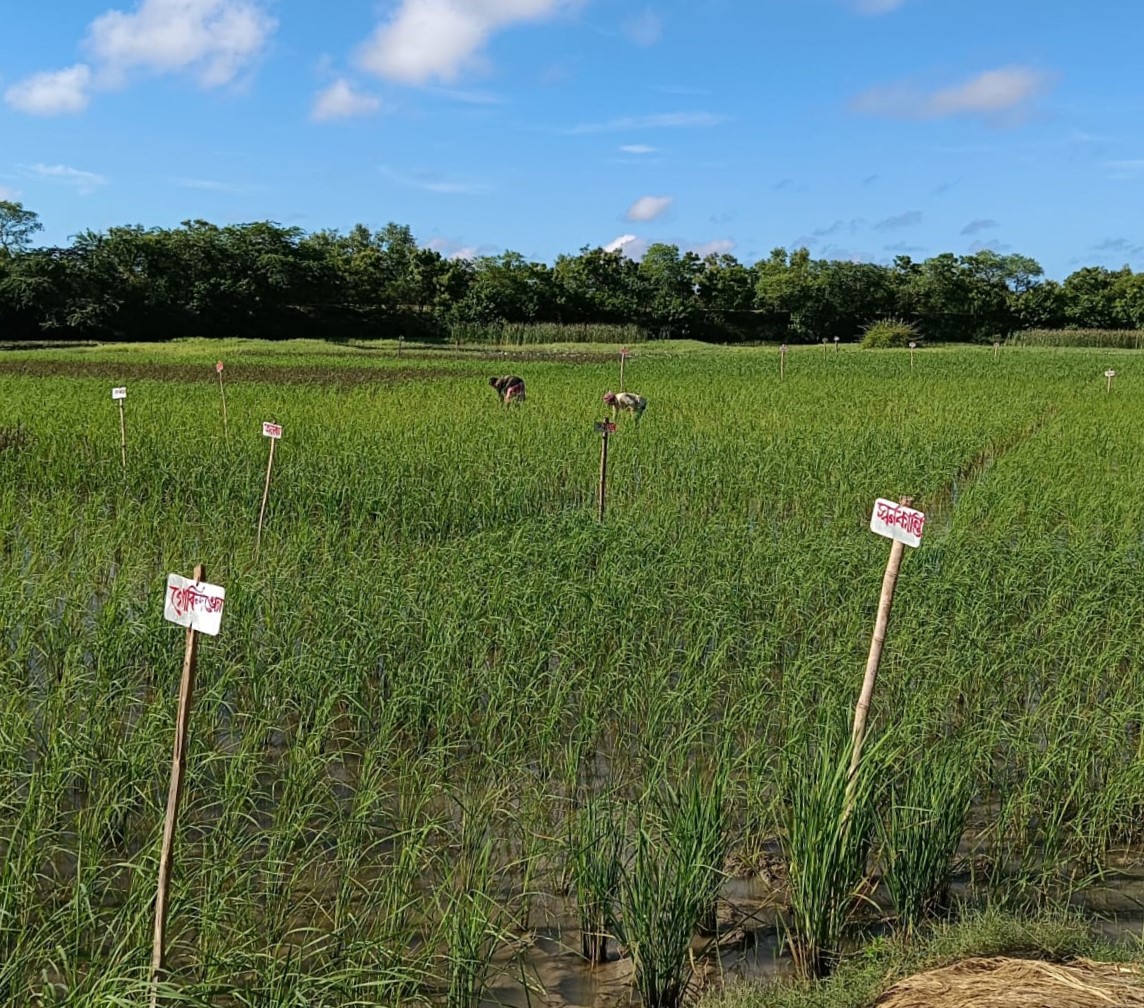
3. Enabling Stakeholder Participation and Applied Research in Policy Comprehension to Mainstream Climate Resilient Agro-farming Practices in National Climate Agenda (ESPAR) – Supported by Asia Pacific Network (APN)
CRA Policy Practice Gap
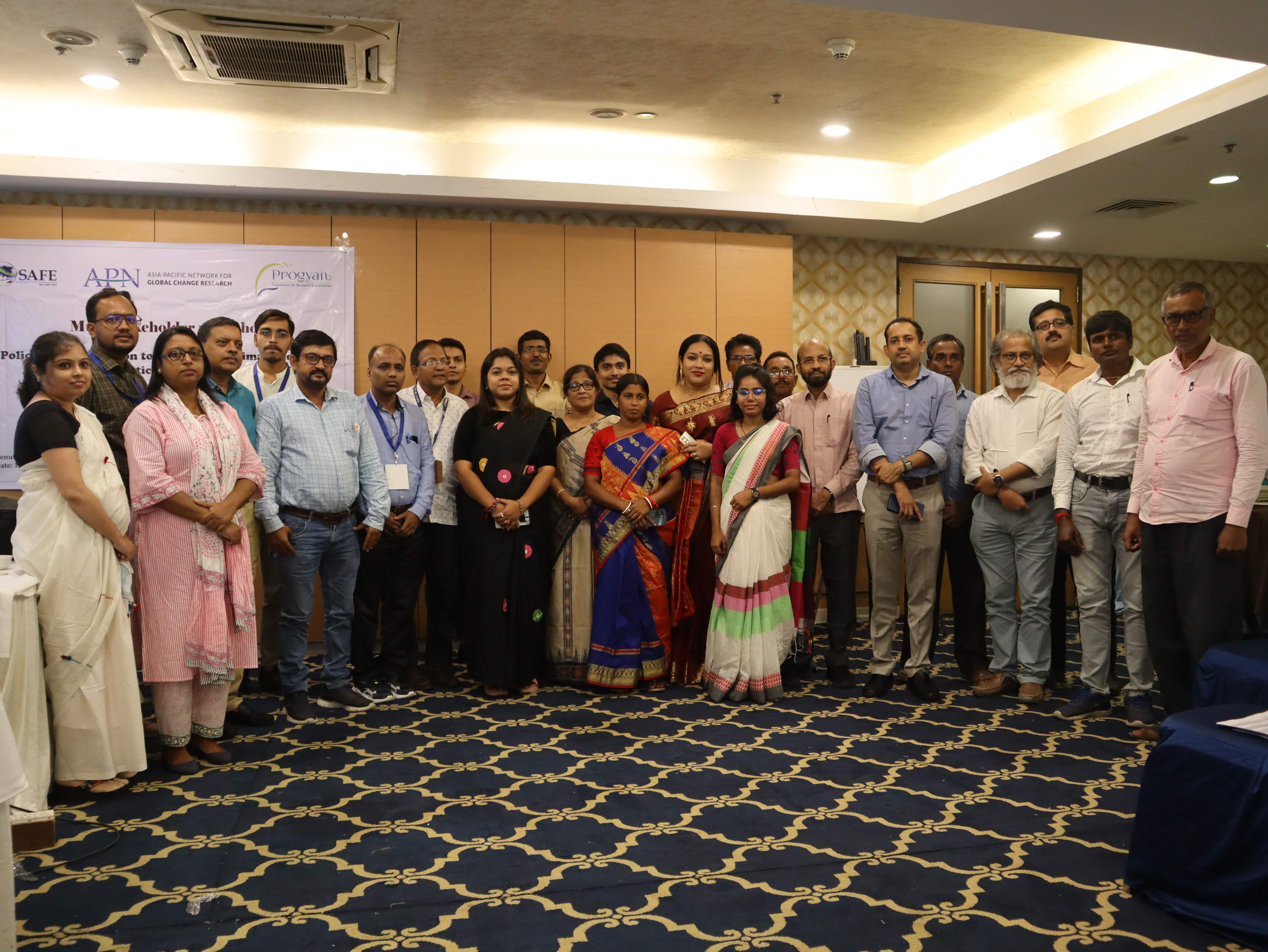
3. Enabling Stakeholder Participation and Applied Research in Policy Comprehension to Mainstream Climate Resilient Agro-farming Practices in National Climate Agenda (ESPAR) – Supported by Asia Pacific Network (APN)
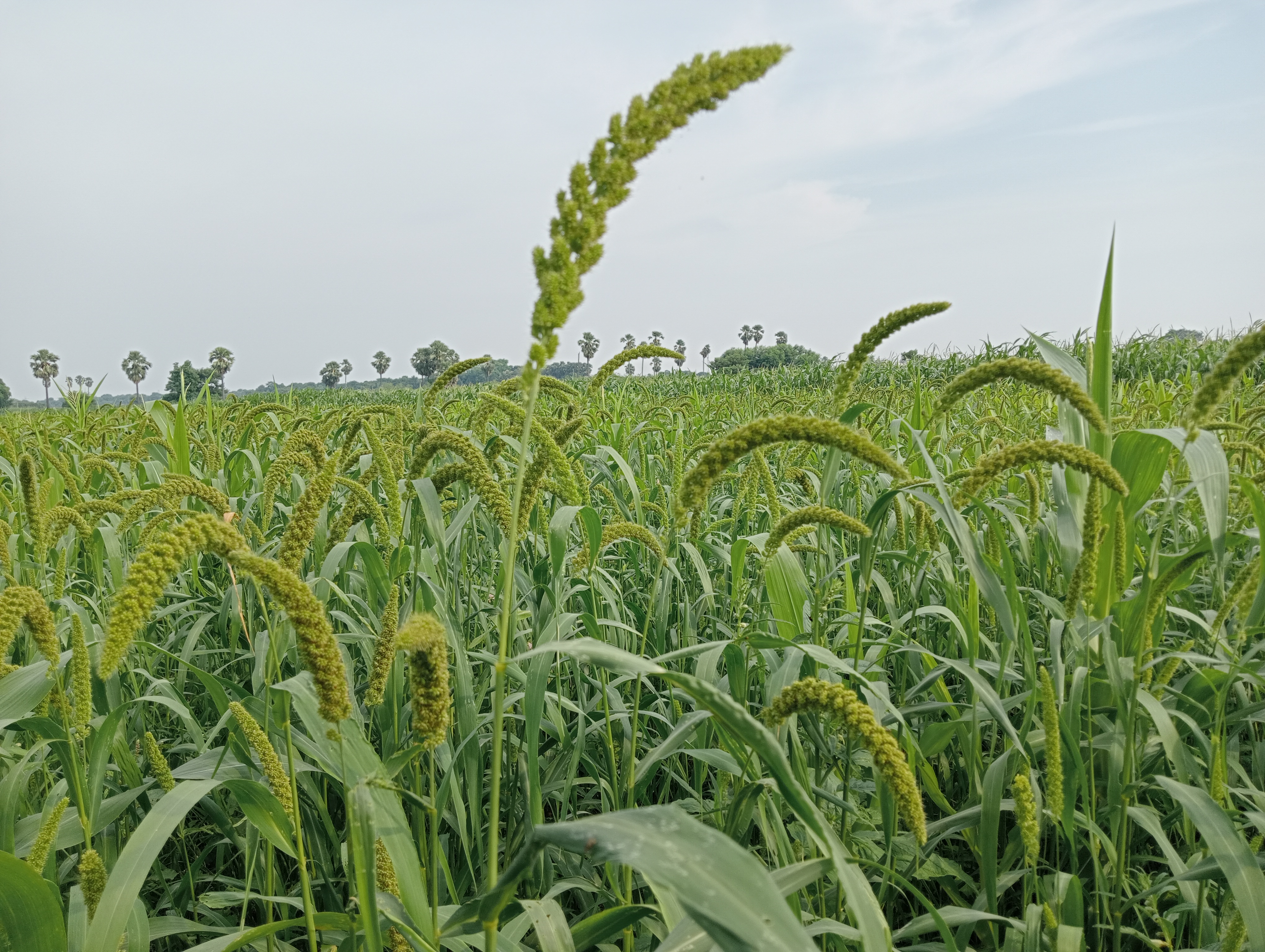
Climate Resilient Agriculture
2. Climate-resilient sustainable livelihood for marginal agrarian communities, through agroforestry interventions focused on the vulnerable districts of Bihar (Begusarai) and Maharashtra (Dharashiv) – Supported by IndusInd Bank